
Saturday, 18 July 2026
  • Login
  • Home
  • LSJ TV
  • LSJ Magazine
  • The Linc
  • Style Guide
  • Privacy Policy
  • About LSJ
LSJ News
No Result
View All Result
  • Home
  • News
  • Sport
  • Arts and Entertainment
    • Lifestyle
    • Travel
  • Business
  • Community
    • Education
    • International
    • Viewpoint
  • Politics
  • Science and Technology
    • Environment
    • Health
  • Video
  • Podcasts
LSJ News
  • Home
  • News
  • Sport
  • Arts and Entertainment
    • Lifestyle
    • Travel
  • Business
  • Community
    • Education
    • International
    • Viewpoint
  • Politics
  • Science and Technology
    • Environment
    • Health
  • Video
  • Podcasts
No Result
View All Result
LSJ News
No Result
View All Result
Home Community

Women’s History Month: Lincolnshire’s Aviation Heritage

Giving the spotlight to three groups of women who were vital to the RAF during WW2 and who played a significant role in Lincolnshire’s aviation history.

Stephanie Lake by Stephanie Lake
March 28, 2020
in Community
0 0
A A
Women’s History Month: Lincolnshire’s Aviation Heritage
235
VIEWS
Share on FacebookShare on XShare on LinkedinShare via Email

The role of women in World War Two is often underplayed and underrepresented. As part of Women’s History Month, this article will give the spotlight to three groups of women who were vital to the functioning of the RAF during WW2, and who played a significant role in Lincolnshire’s aviation history.

Lincolnshire’s Aviation Heritage

In the First World War, one in 14 of all British aircraft were manufactured in Lincolnshire. In WW2 Lincolnshire had over 100 airfields, more than any other county- the exact figure is unknown as some of these were decoys. This was due to its flat landscape, making it ideal for runways and its geographical proximity to Germany.

The usual stalwarts appear in the annals of Lincolnshire’s RAF wartime heroes: Wing Commander Guy Gibson, awarded the Victoria Cross for his leading role in the Dambusters Raid in 1943 and Douglas Bader the celebrated RAF fighter ace, who lost both legs in a plane crash and continued as an active spitfire pilot.

So, what about the heroines?

Spitfire Heroines

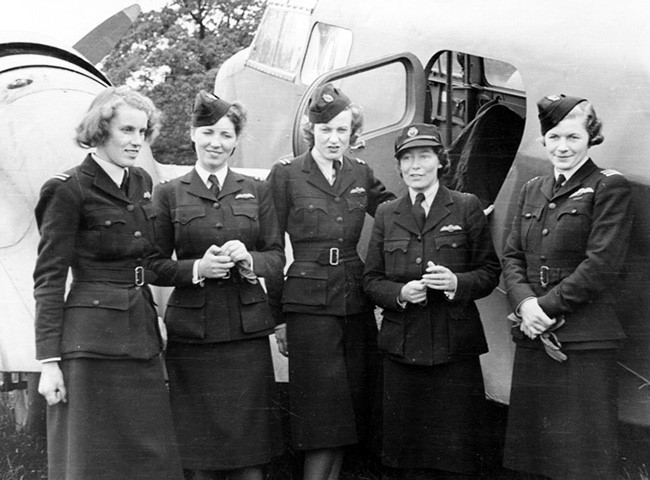
Members of the Air Transport Auxiliary (ATA) were civilians, often women, employed to deliver planes from factories to RAF bases in the Second World War. They flew all types of planes that were active in WW2, including: Spitfires, Hurricanes and Lancaster Bombers, without the use of radios or navigation aids.

Many endured prejudice. Mary Ellis, who flew over 1000 planes throughout the war, said the ground crew at one RAF base didn’t believe she was the pilot of a Wellington bomber she’d just landed. She remembered: “They actually went inside the airplane and searched it. Everybody was flabbergasted that a little girl like me could fly these big aeroplanes all by oneself.”

Lettice Curtis’ skills were held in such high esteem by her superiors- she was the first women to fly a Lancaster bomber- that she was involved in the preparations for the Dambusters raid led by Wing Commander Guy Gibson, based at RAF Scampton, Lincolnshire by delivering specially modified planes from factories to the base.

Nearly one in ten ATAs were killed in the war.

Winged Angels

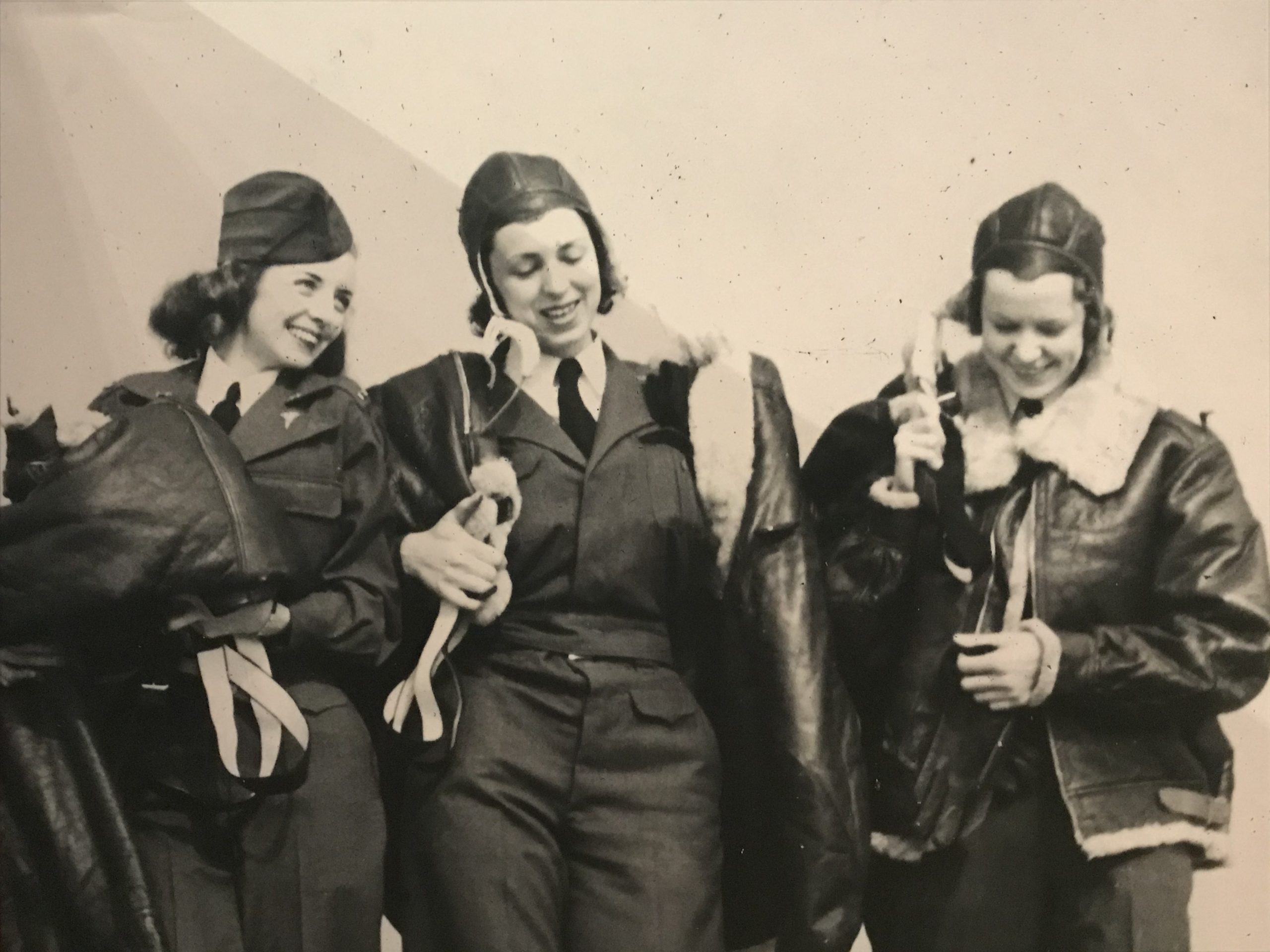
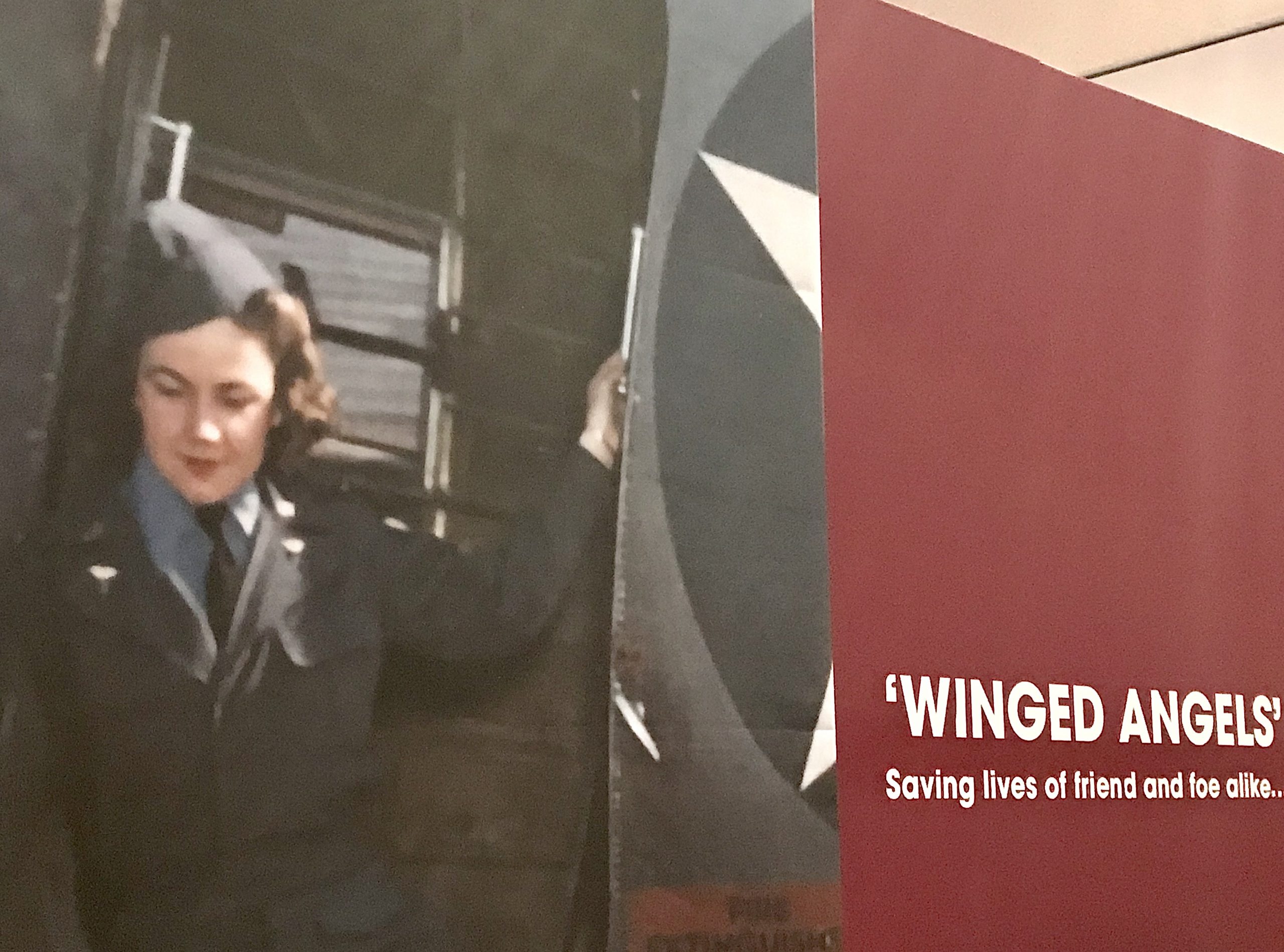
This was the moniker of nurses attached to the 817thMedical Air Evacuation Squadron. Throughout the war they were responsible for the evacuation of 38,172 casualties of all nationalities across Europe and Africa. They were based at RAF Barkston Heath, attached to the larger RAF Cranwell, Lincolnshire.

Ann Macek Krueger was a highly decorated 817th nurse. Amongst other recognitions of service, she received the Soldier’s Medal for heroic achievement when her plane full of evacuated patients crash landed in France in 1944. Her bravery helped ensure that all patients were saved from the wreckage. All survived.

WAAF

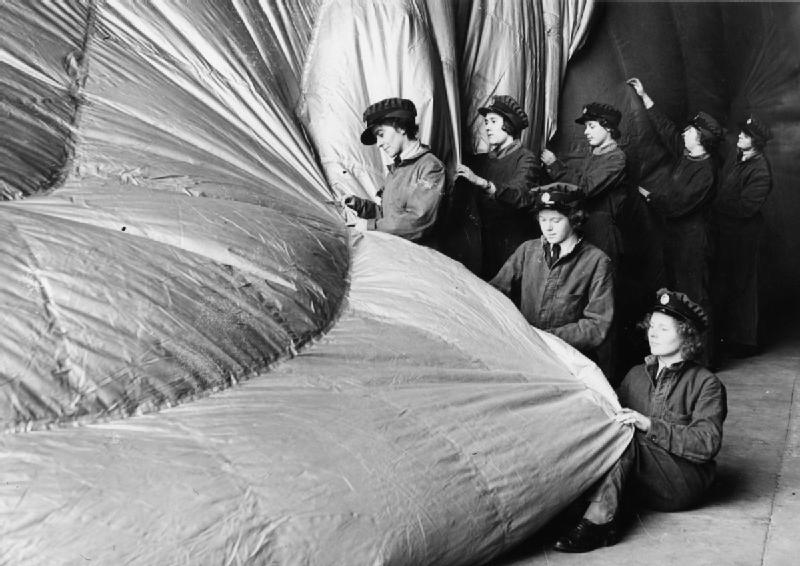
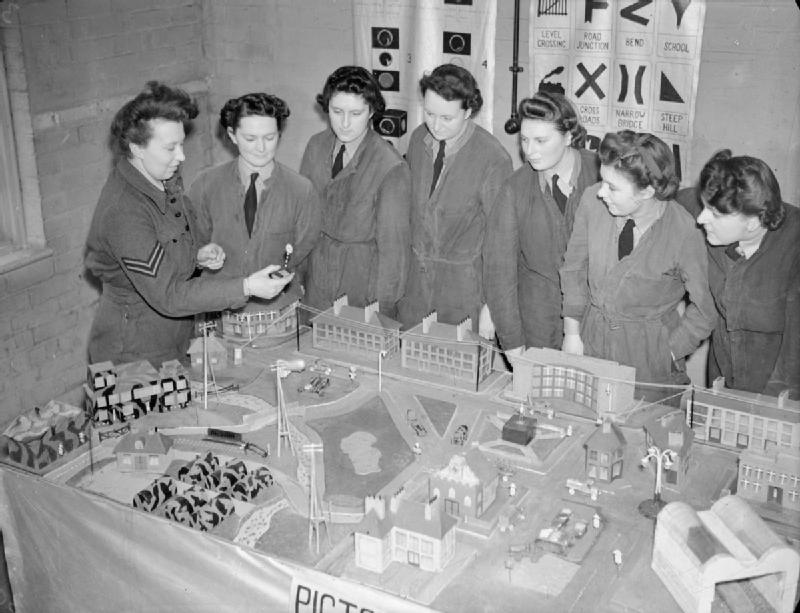
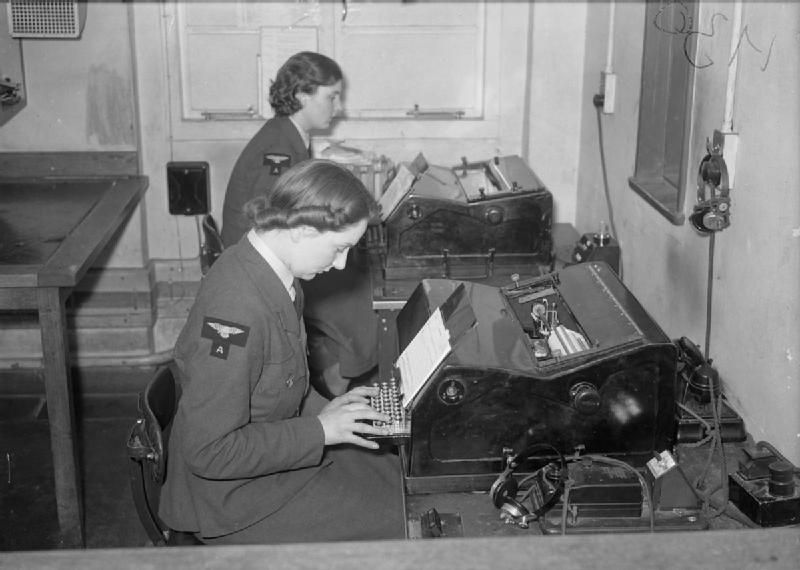
Women’s Auxiliary Air Force (WAAF) Intelligence Officers were vital to the successful functioning of the RAF. They performed intelligence operations, cracked codes and  operated barrage balloons, which were responsible for protecting key targets in the UK by deterring enemy planes. Steel cables attached to the balloons made it impossible for planes to fly underneath, forcing them into the path of anti-aircraft guns. Many doubted that women had the physical strength and stamina to manoeuvre the balloons, which were 66ft long and 30ft high. However, the WAAF were so successful that they eventually ran over 1000 barrage sites across Britain, with over 15,700 WAAF operators. RAF Goxhill, Lincolnshire was the site of the balloon centre that protected the critical docks at Grimsby and Immingham.


Gallery Slideshow Captions

  1. Nurses in the 817th Medical Air Evacuation Squadron, part of a display at the, Century of Valour exhibition at the Collection Museum, Lincoln. Photo: Stephanie Lake
  2. A nurse in the 817th Medical Air Evacuation Squadron exiting a plane. part of a display at the, Century of Valour exhibition at the Collection Museum, Lincoln. Quote on the display reads: “Winged Angles. Saving lives of friend and foe alike…”. Photo: Stephanie Lake
  3. Lettice Curtis, Jenny Broad, Wendy Sale Barker, Gabrielle Patterson and Pauline Gower of the Air Transport Auxilary in 1942. Photo: Unknown, Creative Commons.
  4. Lettice Curtis, Air Transport Auxiliary. Photo: Unknown, Creative Commons.
  5. Members of the Women’s Auxiliary Air Force operating a barrage balloon. Photo: Unknown, Creative Commons.
  6. Members of the Women’s Auxiliary Air Force, taking part in intelligence operations, such as plotting information. Photo: Unknown, Creative Commons.
  7. Intelligence officers of the Women’s Auxiliary Air Force, taking part in intelligence operations, such as cracking codes and ciphers. Photo: Unknown, Creative Commons.


Tags: AviationHistoryRAFwomen
Previous Post

Personal trainer tips on how to stay active and stay safe

Next Post

Amnesty International launches course on Covid-19 human rights implications

Related Articles

Opinion: fast food restaurants are targeting our children – and it must stop
Health

Opinion: fast food restaurants are targeting our children – and it must stop

by Charlie Jordan
July 9, 2026
0

It is said that children in America recognise, in a photo line-up, Ronald McDonald before Jesus or George Washington. Think...

‘We take the mickey’: how Lincoln homelessness charity uses banter to help rough sleepers
Community

‘We take the mickey’: how Lincoln homelessness charity uses banter to help rough sleepers

by Lola Jackson
July 2, 2026
0

One of the first thing Graham Foster says to us at the start of the night is: “What we do...

Opinion: The J-name curse is real – I’m avoiding them at all costs (sort of)

Opinion: The J-name curse is real – I’m avoiding them at all costs (sort of)

June 22, 2026
Fear at 15,000 feet: how skydiving became Gen Z’s fundraising challenge of choice

Fear at 15,000 feet: how skydiving became Gen Z’s fundraising challenge of choice

June 18, 2026
‘Keeping the tradition alive’: meet the Lincoln students reviving bellringing

‘Keeping the tradition alive’: meet the Lincoln students reviving bellringing

May 19, 2026
Village tradition back from the brink: Clarborough festival returns after six years

Village tradition back from the brink: Clarborough festival returns after six years

May 14, 2026
Next Post
Amnesty International launches course on Covid-19 human rights implications

Amnesty International launches course on Covid-19 human rights implications

More from LSJ News

From village green to Commonwealth Games: how Amy Pharaoh became a global bowls superstar

From village green to Commonwealth Games: how Amy Pharaoh became a global bowls superstar

July 10, 2026
Opinion: fast food restaurants are targeting our children – and it must stop

Opinion: fast food restaurants are targeting our children – and it must stop

July 9, 2026
‘We take the mickey’: how Lincoln homelessness charity uses banter to help rough sleepers

‘We take the mickey’: how Lincoln homelessness charity uses banter to help rough sleepers

July 2, 2026
Is this Lincoln’s most haunted building? Ghost Walk guides say city hotel is full of ghouls

Is this Lincoln’s most haunted building? Ghost Walk guides say city hotel is full of ghouls

July 2, 2026
Opinion: Forget tennis talk of a Big Three, Andy Murray deserves to be recognised in a Big Four

Opinion: Forget tennis talk of a Big Three, Andy Murray deserves to be recognised in a Big Four

June 29, 2026

Trending on LSJ News

  • Lincoln activists unite to ‘Kill the Bill’ in second protest

    Lincoln activists unite to ‘Kill the Bill’ in second protest

    0 shares
    Share 0 Tweet 0
  • From village green to Commonwealth Games: how Amy Pharaoh became a global bowls superstar

    0 shares
    Share 0 Tweet 0
  • ‘Suspicious activity’ at UK hunts

    0 shares
    Share 0 Tweet 0
  • Old tech, new lessons: how nostalgia is back in the classroom

    0 shares
    Share 0 Tweet 0
  • From pigeon-infested mess to music success: how The Drill became Lincoln’s best venue

    0 shares
    Share 0 Tweet 0
LSJ News

© 2024 LSJ News - Part of the School of Education and Communication at the University of Lincoln

Links

  • Home
  • News
  • Sport
  • Arts and Entertainment
  • Business
  • Community
  • Politics
  • Science and Technology
  • Video
  • Podcasts

Social Links

Welcome Back!

OR

Login to your account below

Forgotten Password?

Retrieve your password

Please enter your username or email address to reset your password.

Log In
No Result
View All Result
  • Home
  • News
  • Sport
  • Arts and Entertainment
    • Lifestyle
    • Travel
  • Business
  • Community
    • Education
    • International
    • Viewpoint
  • Politics
  • Science and Technology
    • Environment
    • Health
  • Video
  • Podcasts

© 2024 LSJ News - Part of the School of Education and Communication at the University of Lincoln

This website uses cookies. By continuing to use this website you are giving consent to cookies being used. Visit our Privacy and Cookie Policy.